

(Please save this column and give it your time—I promise you won’t regret it. The video is 15 minutes long, the read another 15, with very interesting links throughout).
I had a dear family friend remark in an email recently how much he loved my writing. He let it slip, however, that he had thought my photography was derivative—which, you’ll probably be shocked to hear, absolutely delighted me.
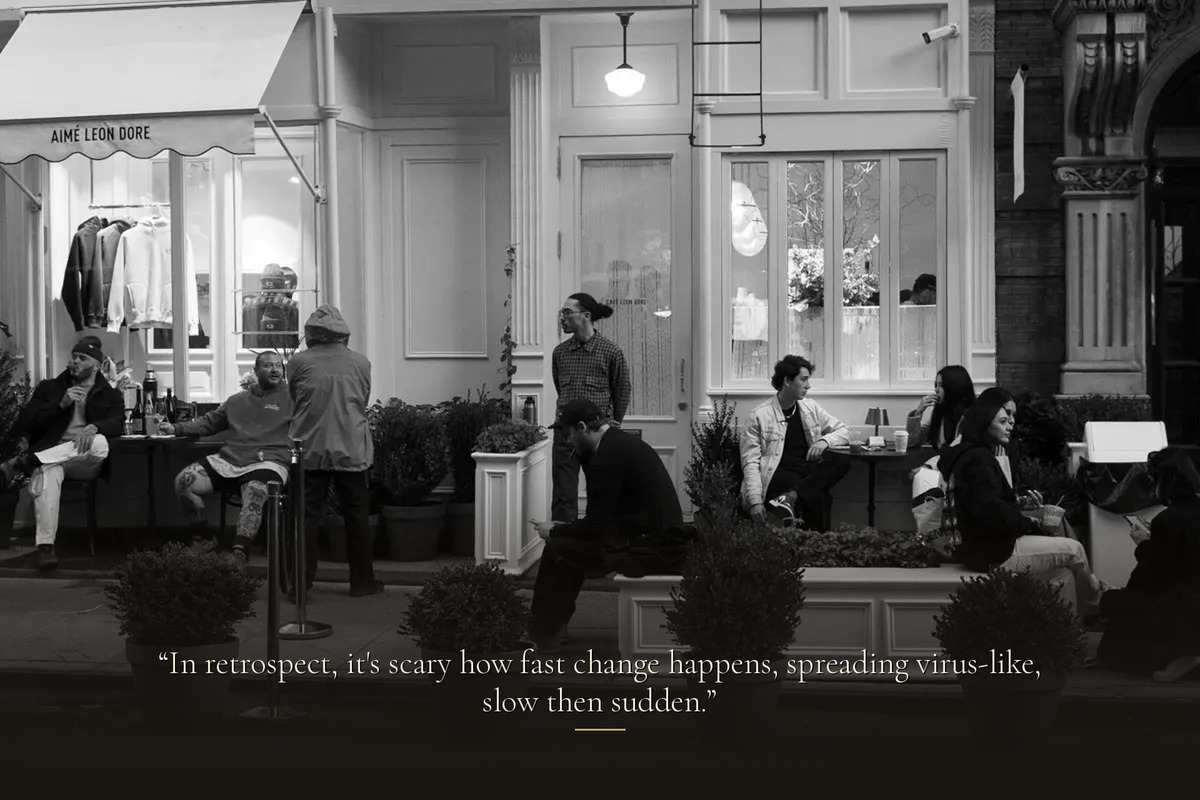
As an autist living in a neuronormative world with a sensitive stress system, I’ve developed a way of separating my head from my body. It’s just kind of what you have to figure out to live normally.
So of course, while it pissed my body off, my head was happy to hear it. It instantly clarified what I’ve wanted to write—and motivated and pissed off my body enough to finally do it.
First, I want to talk about the word “derivative” itself before we get into street photography. As artists, do we have to do everything new, or has everything already been done? Which one is it? The artistic idea of greatness—of avoiding derivativeness—is actually a colonial concept that has infected even the most liberal of artists. The term “derivative” only works inside a value system where originality is the supreme artistic virtue—and that value system is specific, not universal. It’s a Western Romantic invention, barely two centuries old: the artist as solitary genius, producing the unprecedented from nothing.

Jackson Pollock, Number 1A, 1948 (on view at MoMA)
Think about the most ‘American’ of art forms, Abstract Expressionism—the first time America usurped Europe as the leader of the modern art world, and New York usurped Paris. Jackson Pollock was hailed as the lone genius who pushed the plastic arts further, slotted into the natural progression of progress—a buttoned-up eugenic society showing what it was capable of.
Really, Pollock had little idea of European art. When you look at his history, I believe he was autistic as well, maybe dyslexic—the youngest, overlooked, oversensitive child of a gaggle of older brothers, growing up mostly outdoors competing with each other; probably homosexual, definitely bisexual. He took the core of his style not from what was happening in European art, but from the American West and Indigenous and spiritual Native American art. He was repressed and angry about it, abusing alcohol to calm his nerves and frustrations. His swirls were both abstract and not; unshockingly, he had an obsession with urinating in public, stemming from a formative memory of his father once peeing on a rock outdoors. His swirls tapped into these subconscious urges.
Then he got famous, briefly recognized as the greatest painter in the world. Which, while I question the meaning of ‘great’ in our society, he certainly earned. Abstract Expressionism exploded, and so many switched from dismissing it to loving it, overnight and in lock-step. A frenzy began. It’s a pattern that stems all the way back to Jesus: we deify our celebrities and then break them down, consuming them while never understanding them in the first place.
One could say America’s main artistic advantage at the time was the abandoned, derelict cast-iron factories of SoHo—the ills of capitalism throwing a brief bone of real estate to the poorest, who helped bring the neighborhood back, only to be kicked out.

(Above: Robert Rauschenberg’s Canyon, 1959—a retelling of Zeus and Ganymede, the myth in which Zeus takes the form of an eagle to abduct the most beautiful boy on earth and keep him on Olympus as his cupbearer and lover. Rauschenberg was riffing on Rembrandt’s The Abduction of Ganymede, where the eagle grips the boy with his bare bottom exposed—hence the dangling pillow, which is exactly what you think it is.)
After Pollock was crowned, the painters surrounding him fought each other with jealousy, jostling with their forms of Abstract Expressionism until suddenly everyone called it passé and went looking for the next new thing. This ‘new thing’ came from the brilliant homosexual couple of Robert Rauschenberg and Jasper Johns, who represented America at the 32nd Venice Biennale, where Rauschenberg controversially became the first American to win the Biennale’s grand prize—with a lot of wheeling and dealing from the great gallerist Leo Castelli, but he deserved it.

Jasper Johns, Target with Plaster Casts, 1955.
Rauschenberg and Johns pushed Abstract Expressionism forward in terms of form. They were both smart enough to figure out how to do that, working in lockstep quietly in their matching lofts in the same building, toiling in obscurity while designing department store windows and looking strangely at the Abstract Expressionists all competing and making each other crazy.
Rauschenberg coined the combine—part painting, part sculpture—taking Pollock’s abstraction and altering the idea in an even messier way, with a variety of materials. With a completely different style, Johns painted precise pictures of numbers, figures, and targets. If you read what the curators wrote about them—focused strictly on the genius and breakthrough of the form—the two artists must have been laughing themselves silly behind the scenes. The art world that held them up spoke strictly in the language of forms and plasticity and non-figuration (a game both artists knew they had to play).
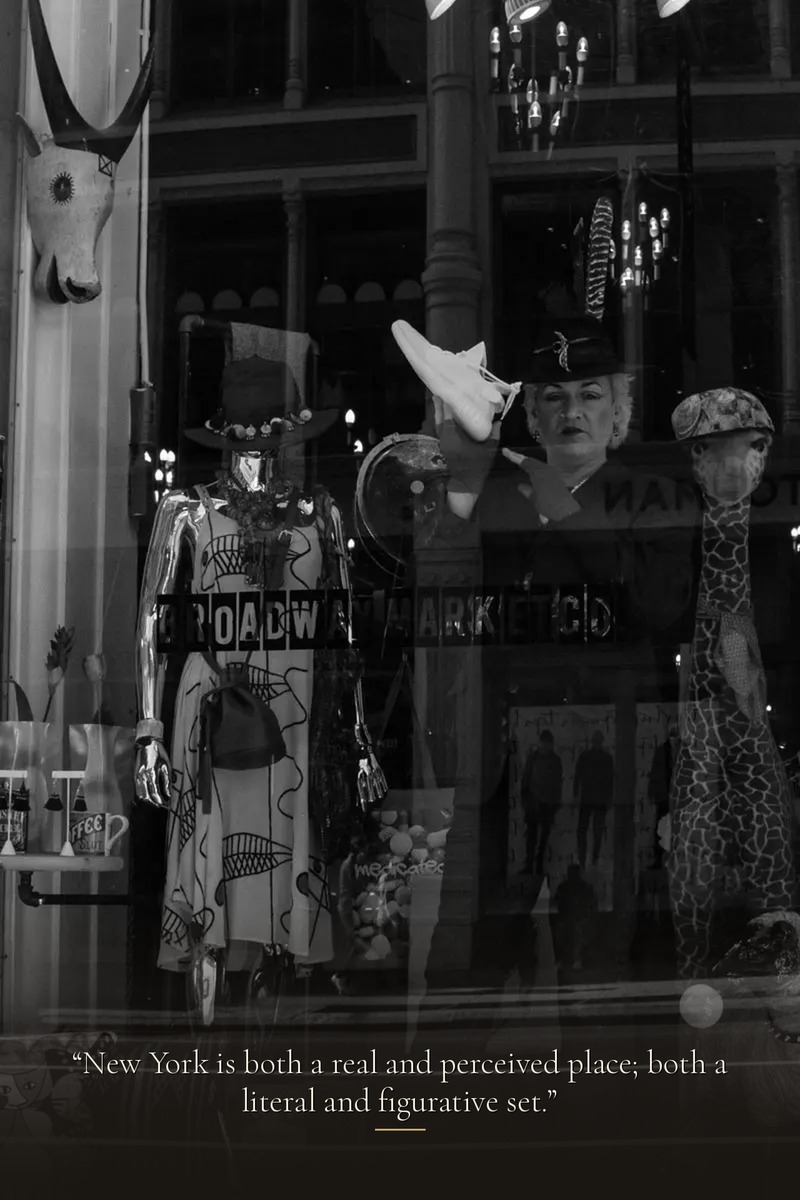
Rauschenberg and Johns were in dialogue, with hidden messages and stories throughout their paintings. If you look closely at Pollock, you see his masculine strokes—of course, Abstract Expressionism was the most masculine of art forms at a time when sexual repression was at a fever pitch. But Pollock had both a masculine and a feminine side. The brilliance of Pollock was his instincts and emotions—knowing he had to let his unconscious out onto the canvas, in a way that many of the stuck-up surrealists had played at but never quite got there. And if you look close, you can see his dark, masculine swirls hiding drops and streaks of pinks, teals, purples and pastels—very feminine colors. The form gives us glimpses into his inner taboo world.
Similarly, Rauschenberg took those swirls and dots and made them larger and more pronounced. He placed small photos and images throughout his canvases—what everyone clocked as nods to American masculinity: baseball players, Greek mythology, camp icons. Yet his paintings look like pin-ups on a gay teen’s wall. Johns’ Targets, meanwhile, which were taught to us as completely abstract and open to interpretation, were a nod to paradiso—looking up at heaven. They were a nod to Dante’s nine circles of Hell and Rauschenberg’s infero drawings of Hell. Johns even put a flaccid penis in a box above one of his paintings. The brilliance was the defiance—working within the system while subverting it to be true to themselves, to tell their story.
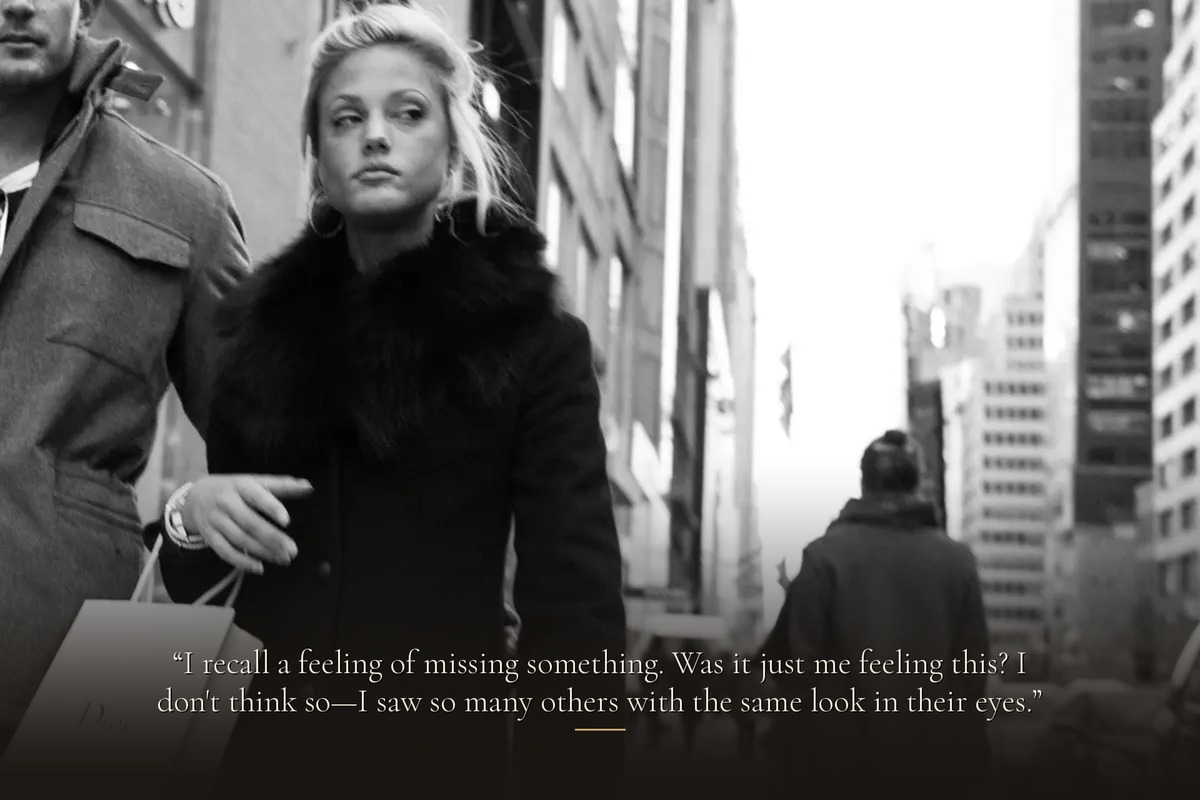
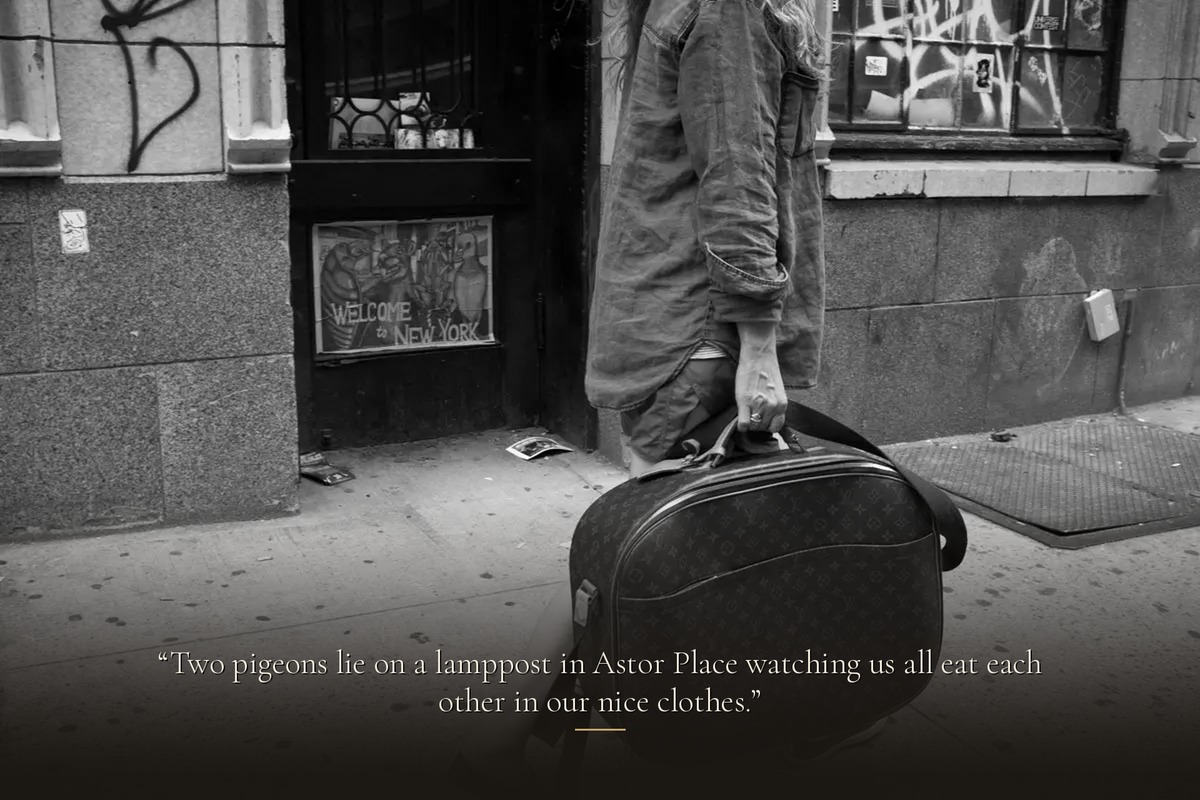
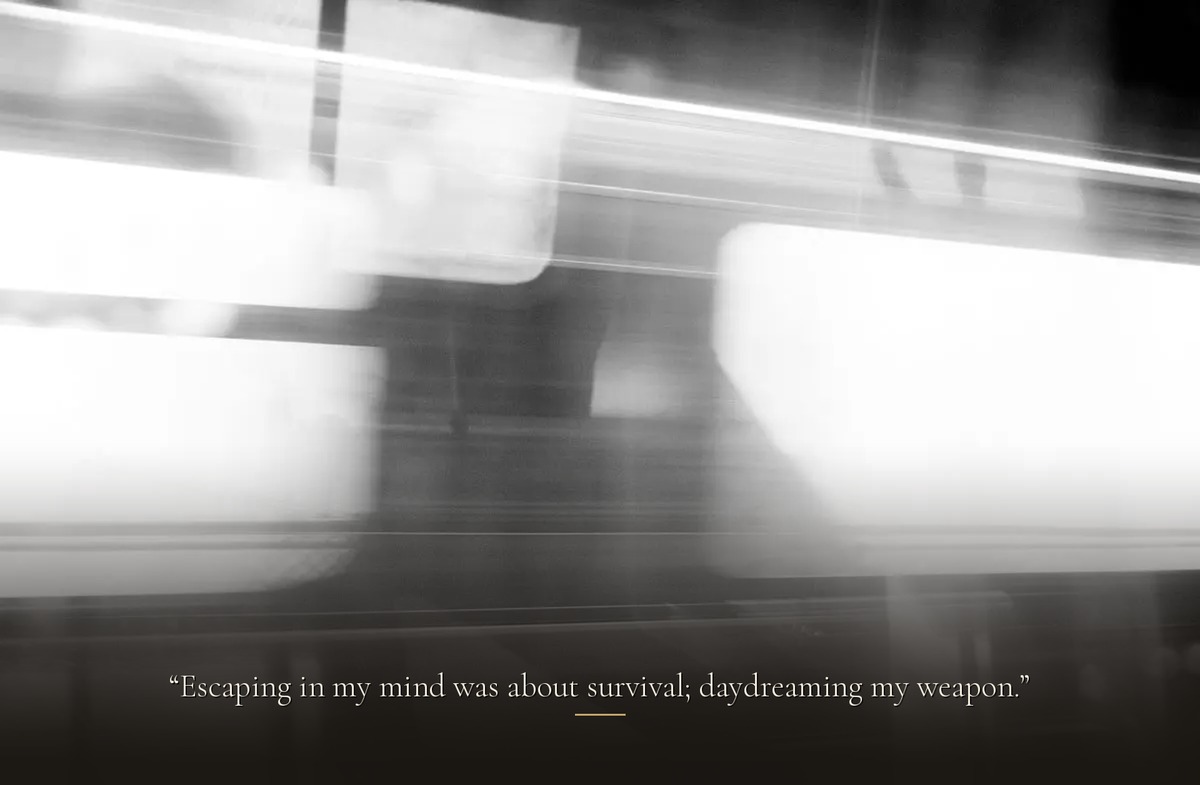
I believe in the art of the flâneur. Technically, the term means an observer who walks around a city with no goal, but I take it to mean anyone who observes for recreation. It’s an act with a disproportionate number of autists in its ranks—those who learn through observation. Walking profoundly benefits the autist’s nervous system, facilitating daydreams and exploration without the emotional tax of interacting. It serves the autist’s goal of creating an internal map to understand their surroundings and culture. The flâneur has often been thought of as a loafer, but when you see things through the oppressive lens of neuronormative cultural bias, perhaps it’s them who missed the productivity of this act.
In this vein, I’ve always been attracted to street photography because it’s a way for me to walk and think and write in my head, watching life around me without the anxiety of normal interactions. The camera gave me a reason to do it. It felt like research, but it was also intensely practical. Perhaps I might have chosen a different route if my body had allowed it. It was about desensitizing myself on my own terms—turning the stimulative chaos of the city into a way to explore, meditate, and figure things out.
Sometimes I’d walk around not having it in me to socialize, just wanting to interact with society without communicating. Other times, when I was feeling good, I’d say hi to people. I’d interview them. I’d learn about the areas and the history. Walking around with a camera has been an essential part of my being. It’s an art that typically attracts outsiders searching for a tool that lets them move through the world on their own terms.
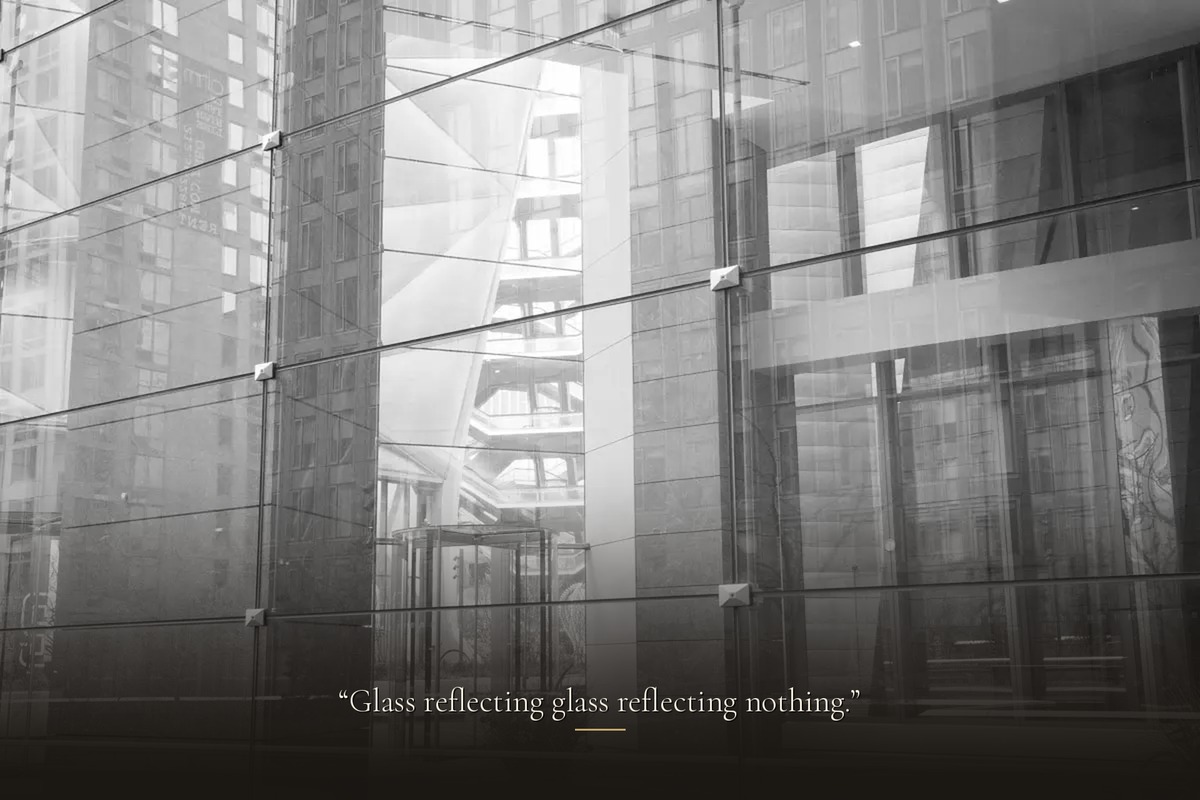
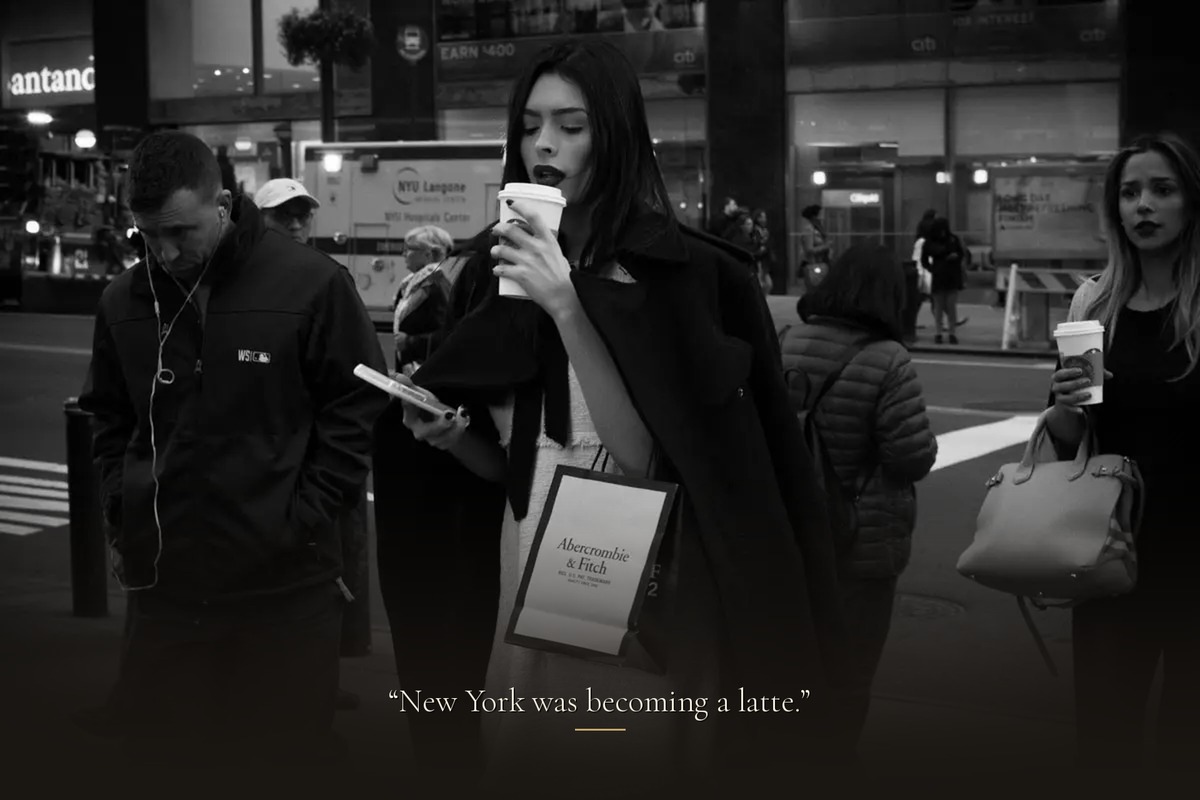
Let’s quickly trace the history of street photography in America. It begins after the catastrophe of World War I, in a politically volatile and economically devastated Weimar Germany—soil that sprouted the extraordinary cultural freedom of the Bauhaus, a society hungry for new culture and imagery.
The Leica was born in the 1910s at the hands of Oskar Barnack, a precision mechanic at Optische Werke in Wetzlar, Germany—a firm at the center of lens-making since the 17th century, which grew into one of the foremost microscope manufacturers in the world, precision glass and machinery at the heart of its heritage. Large-format cameras were required for serious photography at the time, and Barnack, desiring a lighter camera due to his asthma, built the prototype Leica in 1913. Ernst Leitz II, who inherited the microscope company from his father on the heels of the brutal economic instability of the war, believed in Barnack’s camera despite internal dissension. Leitz II took a significant gamble, releasing a commercialized version in 1925.
In the late 1930s, Leitz II is estimated to have saved the lives of several dozen people, smuggling Jewish employees and their families out of Germany by placing them in overseas positions—an operation known as the “Leica Freedom Train” that remained widely unknown for decades. The company was pulled into the war, developing optical equipment for the Germans—simultaneously producing cameras for reporters and the Jews of the Lower East Side while helping soldiers kill.The 35mm frame was small enough to move through the world invisibly, transforming reportage and documentary photography.
The Zeiss company faced the same conflict. Lens technology improved significantly during the war effort—anti-reflective coatings, night vision, extreme lens development for aerial reconnaissance, periscope optics. With Germany divided after the war, the optical heartland was split. Zeiss’s historic home in Jena—one of the great scientific institutions of the world—landed on the Soviet side of the Iron Curtain. The Soviets stripped equipment, relocated personnel eastward, and absorbed what they could into their own program. A core group of Zeiss engineers and managers fled to West Germany in the mid-1940s, establishing their own Zeiss company, pitting East and West against each other under different names. Leitz’s Wetzlar fell within the American zone, going on to develop the legendary Leica M3 less than a decade later, in 1954.
Street photography sprouted in America during the abstraction era, as small cameras became more widely accessible. As the Works Progress Administration (WPA) was defunded, as art, cultural freedom, and homosexuality were maligned and attacked (art was seen as queer and feminine-coded), and as third spaces and community broke down, taking pictures became a refuge where people like my grandmother Peggy could engage with the world. It was an accessible entry point into a creative life for those pushed to the margins in other ways. Ultimately, both street and documentary photography are art forms rooted in identity and cultural understanding.
Nikon grew from deep Japanese military roots as a defense contractor—an apparatus that collapsed after Japan’s WWII defeat, when the American occupation dismantled the military industry. Forced to shrink to a fraction of its former size, Nikon pivoted to cameras and consumer optics. During the Korean War, American photographers and reporters covering the conflict were stunned by Nikon lenses, introducing Japanese optics to the world at the crossroads of the American-Japanese economic alliance. Canon began in 1933 as a 35mm company built to compete with Leica, and while it contributed to the war effort, its early core was on the commercial side. The occupation brought a large number of American soldiers, journalists, and war photographers—people who knew cameras—introducing Japanese quality to the West.
Ricoh began as a government-backed scientific research company, eventually becoming dominant in the copier business, while Fujifilm began as a national industrial-policy project to create domestic photographic film capacity in the lead-up to WWII, developing expertise in film and imaging chemistry as its core business, with a secondary hustle in optics and camera manufacturing. On the American side, Kodak was once one of the most profitable companies in America—and although it invented the digital camera, it failed to recognize the threat to its core business until it was too late. While Kodak folded, Fuji leveraged its chemistry and film technology to expand into pharmaceuticals and medical imaging. It’s fascinating that two of the best mirrorless digital cameras of the 2010s and 2020s came from Fuji and Ricoh—companies whose core profits lay in entirely different sectors.
Olympus started in 1919 developing microscopes, fighting for survival through the digital age alongside Leica. And while Leica transitioned to ultra-luxury, Olympus sold its soul to an investment fund after a billion-dollar accounting crime destroyed the company. Minolta, founded in 1928 in Osaka, built a heritage as a serious lens maker, inventing the first truly integrated autofocus SLR in 1985—the motor built into the camera body rather than the lens—forcing Canon and Nikon to scramble and modernize their entire systems in response. A ruinous patent fight with Honeywell over that same autofocus technology bled the company financially, eventually forcing a merger with Konica and an acquisition by Sony—handing the electronics giant decades of optical knowledge and engineering lineage, and the foundation it needed to enter the digital camera market.
In 1948, Edwin Land—a teenage dropout who had taught himself advanced optics in the New York Public Library—created the instant camera after his three-year-old daughter asked why she couldn’t see a picture right away. He compacted the entire darkroom inside the film itself: tiny pods of developer and fixer that ruptured and spread uniformly as the film was pulled through a pair of rollers, the photograph appearing within a minute. Thus was born the Polaroid instant camera, one of the most democratically exciting objects in American history, collapsing for the first time the distance between a moment and its memory and putting that miracle in the hands of ordinary families.
In 2004, a neurodivergent Jimmy Maher, stuck in the depths of a Wisconsin winter, purchased the revolutionary 6.3-megapixel prosumer Canon EOS 10D with money he made through fake IDs. In 2011, he embraced the similarly revolutionary Fuji X100, as Fuji entered the digital camera wars with a fixed-lens, rangefinder-style APS-C camera meant to compete with the luxury Leica brand. During this early digital era, waves of people began taking up photography. But as in the Industrial Revolution, the internet and social media era quickly caused major destabilization, creating an unfair and unjust wild-west system for creatives to survive in.
Many of the early street photography practitioners came from first- and second-generation Jewish immigrant families, contemplating the fractured world around them and learning how to interact with it. Without evidence, I imagine many were neurodivergent. The New York Photo League (1936–1951) was born during the Depression and survived through World War II, until it was disbanded during the Red Scare. The group brought together documentary photography, leftist politics, working-class neighborhood life, and artistic experimentation—a movement filled with young, idealistic photographers who believed in exposing social injustice. The League had a darkroom, exhibition space, and socializing space, and it published the acclaimed newsletter Photo Notes. Unusual for the era, roughly a third of its members were women, many in visible leadership roles.
Among its Jewish members, who made up the majority—mostly first- and second-generation immigrants from Eastern European families—were co-founders Sid Grossman and Sol Libsohn, along with Walter Rosenblum, Aaron Siskind, and Lisette Model (who would go on to mentor Diane Arbus). Morris Engel, Arthur Leipzig, Jerome Liebling, Ruth Orkin, Eliot Elisofon, Dan Weiner, Lou Bernstein, Louis Stettner, and Harold Feinstein were all serious working members who built their careers through the League, while Rebecca Lepkoff, Vivian Cherry, Erika Stone, N. Jay Jaffee, Martin Elkort, and Sy Kattelson rounded out the core membership at varying degrees of historical visibility. Among the Jewish associates and supporters were Paul Strand, a co-organizer and one of the foundational figures of modernist photography, Robert Frank, whose The Americans became the most influential photobook of the century, and Richard Avedon, Weegee, Helen Levitt, Arnold Newman, and FSA photographer Arthur Rothstein.
Although the Berlin movement had little to do with the organization itself, the Photo League’s political origins traced back to the communist Workers as Photographers (Arbeiterfotografen) movement, and many members held progressive political sympathies. In 1947, the League came under fire during McCarthyism, with the FBI alleging involvement with the Communist Party. After member Angela Calomiris—a longtime FBI informant—testified in 1949, despite no actual evidence, that the League was a communist front organization, the end was near. The Photo League disbanded in 1951. Calomiris’ 1955 memoir Red Masquerade framed her as a hero.
The collapse didn’t destroy the ethos of the movement but scattered its ashes, forcing photographers in the city to operate more independently. Robert Frank produced The Americans in 1958, effectively launching street photography into the mainstream and influencing generations of photographers. Beyond the Photo League’s direct diaspora, the Swiss-born Frank photographed America with an immigrant’s outsider eye. William Klein—whose Life is Good and Good for You in New York preceded The Americans by two years—represented a parallel Jewish New York street sensibility arriving from within. Diane Arbus, Helen Levitt, Garry Winogrand, Lee Friedlander, Bruce Davidson, and Joel Meyerowitz were all Jewish photographers who grew the practice within New York. American street photography emerged disproportionately as a Jewish American art form. Across the pond, parallel lines emerged in the U.K. and Europe, and in Japan with the Provoke movement, as devastated, unmoored young photographers wandered their way toward rediscovering their blurry identity.
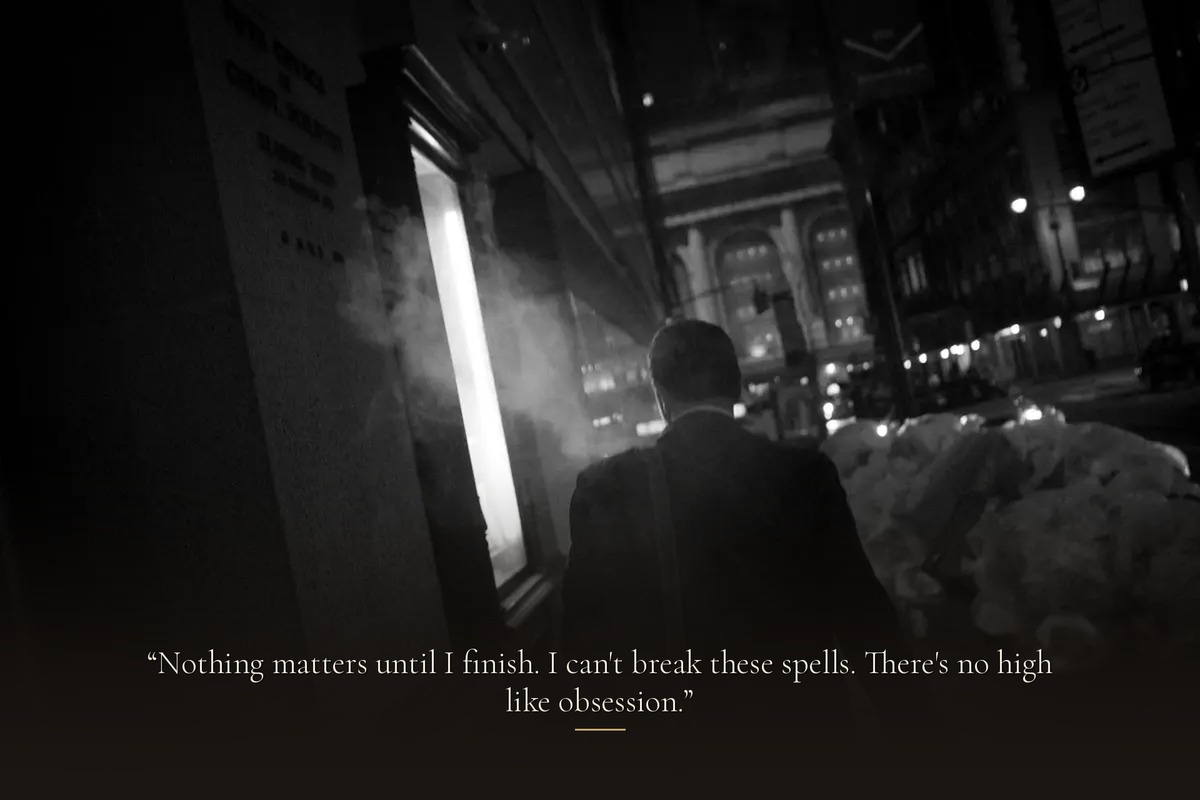
Where the League was destroyed, the working photographer John Szarkowski stepped in. Born in Ashland, Wisconsin, to a Polish-American family, Szarkowski served in the war, graduated in art history from the University of Wisconsin–Madison, and won two Guggenheim fellowships before taking over as MoMA’s director of photography from Edward Steichen, stewarding the department from 1962 to 1991. In 1967, he mounted the show New Documents, featuring Diane Arbus, Lee Friedlander, and Garry Winogrand. On the wall label, Szarkowski explains: “Most of those who were called documentary photographers a generation ago, when the label was new, made their pictures in the service of a social cause. They aimed to show what was wrong with the world, and to persuade their fellows to take action and make it right.”
“In the past decade a new generation of photographers has directed the documentary approach toward more personal ends. Their aim has been not to reform life, but to know it. Their work betrays a sympathy—almost an affection—for the imperfections and the frailties of society. They like the real world, in spite of its terrors, as the source of all wonder and fascination and value—no less precious for being irrational.”
Within these paragraphs, one can detect the political shift after the wreckage of the Photo League. Persuasion was out; looking and contemplation were in. McCarthyism had killed the tradition that photographed to reform, and MoMA picked up the remains, hanging them stripped of politics. The League’s history was kept alive by the work of curator Anne Tucker, and it would take until 2011 for the Jewish Museum to recognize the story with the landmark retrospective The Radical Camera: New York’s Photo League, 1936–1951.
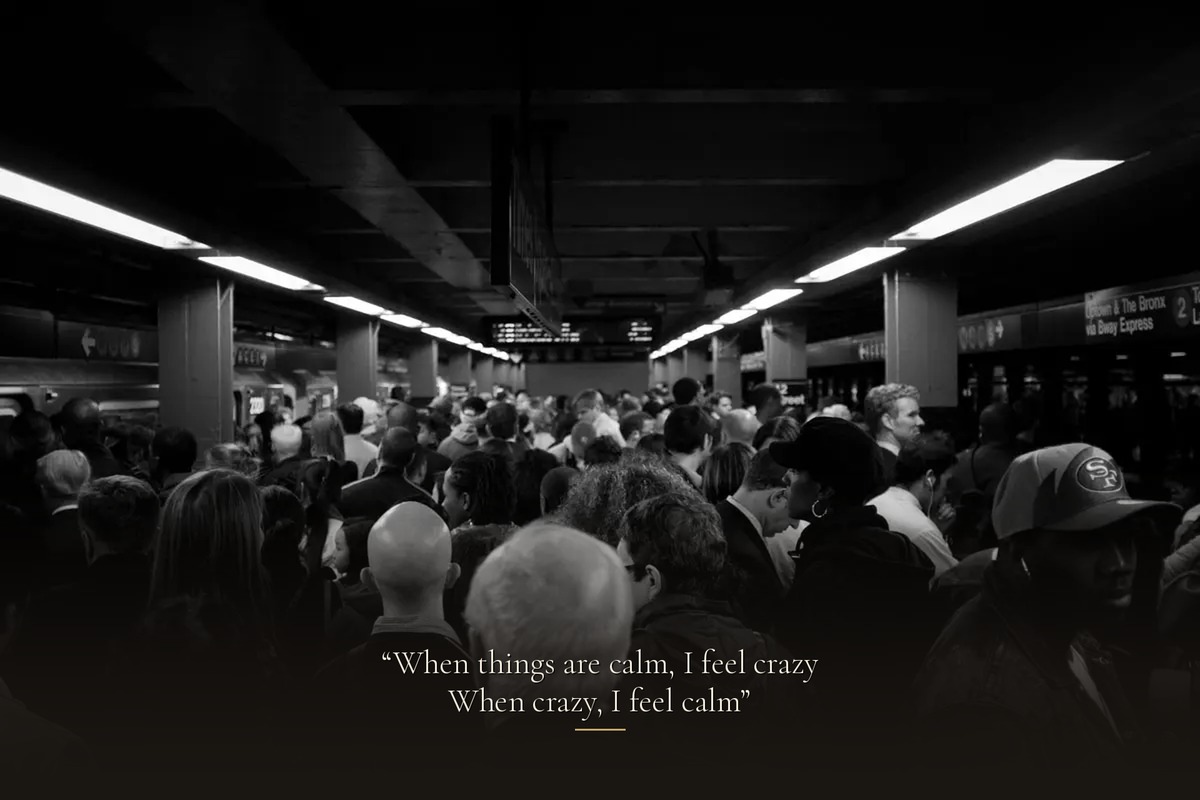
If I were to critique the current state of street photography, it’s that it has pushed too far into the Szarkowski model—depoliticized photographs devoid of context. Although, whatever. In addition, as street photography exploded on the internet, people got a bit sick of seeing New York. You could see styles change as people embraced much more color, blurrier, and with more flash—visually mysterious work.
I watched all of this happening, annoyed, because New York is still extraordinary, and it can be photographed uniquely. I personally didn’t feel the need to get blurrier or weirder; I’m weird enough. I searched for strangeness in the content—the weirdness, for me, was the things that looked normal but were actually quite strange—the strangeness of this neuronormative world that suppresses the freedom of neurodivergence. I felt like an outsider in my own city, because I was, trying to figure out where I fit. What would have been derivative would have been to change what I did just because it was in (and that style is cool, I love many photographers doing it, but it’s not for me). But I don’t really believe that word is an actual thing in the spirit of the purpose of art.
I put my head down and just said, let me stick to the course and keep learning and telling my story obsessively, let this stuff age, let me figure out how to package it and get my words and education right alongside it. I showed the work to people often to see their reaction, hoping they’d get it instantly, thinking they would—but then I realized that would be too easy, and it takes time.
But the Szarkowski turn had its beauty too. It took the documentary photography of the era and gave photographers permission to think about themselves, their feelings, their biases. It allowed them to remove neutrality, to expose themselves as biased animals exploring the world. And street photography is also a technical tool in one’s belt—part of a whole that one can fit in however they want, to tell their story and the story that surrounds them.
Street photography, portraiture, interviews, and questions were all ways to desensitize myself to my surroundings as I learned how to navigate them.
I recently put together my CV to get a bit fancy with things—take a look at the autistic-ass projects, trying to piece together and clarify my surroundings and culture as NYC quickly gentrified all around.
Documentary & Photographic Projects
A long-term documentary study of the changing spirit of New York in the post-9/11 era — a body of work unfolding as a photobook, the hybrid photo-and-writing column of the same name, and a forthcoming book.
A hybrid history, photography, and writing project of the Lower East Side, built on my grandmother’s rediscovered family archive — a serious body of vernacular photography hidden inside a family album, read alongside letters and family history.
A twelve-year documentary project shaped as a history book — 211 images and written history tracing hype culture through SoHo and Tribeca, and an indirect study of the cultural mania of the early social-media era.
A 5.5-year record of the East Village: more than 200 portraits and in-depth interviews with long-time residents, business owners, and workers, made with the award-winning neighborhood site EV Grieve.
Portraits and interviews with twenty-five people whose lives were shaped by immigration on the Lower East Side, with the Educational Alliance and University Settlement; featured by the Tenement Museum’s “Your Story, Our Story” and exhibited as Sharing the Miracle at the Manny Cantor Center.
A collaborative project following a Japanese salaryman’s transition into photography as he confronts his family and his past through a stress-related mental episode.
A monthly feature with writer Jason Sheftell — photographs and interviews by James Maher — documenting a different New York neighborhood each month through the people who live and work there.
Links
What Would It Mean to See a New Color?
Artspeak and the Fear That Everyone Else Understands
The Lonely Men at the End of the World
Current Shows


Upcoming Shows


Support Glass City
Glass City is free, and it always will be — no paywall, no ads, no algorithm.
If these issues have given you something — a photographer you now love, a city you look at differently — chip in $5, $10, or $25 a month, whatever feels right. Reader support funds a full day of writing every week: deeper essays, more photographers, more of the city.
Cancel anytime in a couple of clicks, no judgments — I’ve been there.
Or Get Something Back: Join the Salon

If you’d rather your support come with a community, join Close to Home, my online photo salon — photographers from all over the world becoming friends and getting to know each other through their work.
Zoom hangouts, photo book viewings, group challenges, and a member map to find photographers near you. No contests — the only thing we compete at is getting our cameras out the front door, regularly.
$10 a month, and the first month is free. It supports the column just the same — and you get new friends out of it.
Share this column
Every recommendation helps! If you know a photographer, a friend, or a camera club who might enjoy Glass City, please forward it along — word of mouth is how this column grows.
And if you’re new here, click below to subscribe!

Hi James! This is so engaging, personal, insightful. Thank you!
Wondering if you can clear something up for this literal lawyer. When the person suggested your photography was “derivative” — what were they actually thinking? That your work is “derivative” because it depicts subjects that already exist? I get that, to a point. I have similar thoughts when looking at travel photography, or photographs of other peoples’ art. The images are engaging, but they have little to do with the photographer. On the other hand, street photography has everything to do with the photographer. Sure, the subjects exist. But only the photographer noticed.
Thanks TS! I think it means that people think I’m doing things exactly the same as has been done forever and not showing anything new, thinking what’s the point and dismissing it before even trying to understand. When things get too big or popular, people tend to turn on it. I’ve had this experience when testing others to see what they think, they just lose the ability to think about or talk about the content. They see my work through the lens of a Garry Winogrand or Vivian Maier. It’s why it feels weird when people call me a street photographer, which a big part of me is. But it’s just like, I’ve spent my life philosophizing and writing about urbanism, documenting a neurodivergent outsider’s perspective during such a fascinating transformation in the city, documenting that transformation through interview, learning the history and current events. Writing and documenting about very specific things about the city. Shooting and color and Black and white in equal portions. There is not a photographer who I know who is documenting this type of stuff in the same exact way right now. But yet, then people will say oh he’s a black and white street photographer and they get stuck on that and see it through that historical lens, and they lose all capability to talk about the interesting content in the work. Not sure if I’m getting my thoughts out so clearly, but it’s frustrating sometimes because I just want to talk about the interesting stuff!
As a fellow photographer I’ve enjoyed your posts from some time back… But I feel recently they are getting a bit much to wade through and it’s all getting a bit too wordy.
For me images are far more important… others will disagree but just my view 😎
Appreciate the perspective Pete, it’s helpful! And I’m aware of it and certainly thinking about it. When I begin to start posting more come this Fall, I will mix the long and short posts. But to be honest, now that I’m not masking anymore, I’m writing how I want to write. I recall lots of advice back in the day to let the photos do the talking, and for some that’s the correct way, but I feel like everytime I heard it, it was misguided advice. I don’t like how social media is making everyone have difficulty reading as they spend an hour or more a day scrolling, and so I want to write as I would want to read. If it’s a little too autistic for some, so be it. But a semi-bolded 15 minute read I also don’t feel like it’s on me if some don’t want to read through. Those who want to scan can scan, those who want to skip parts go for it. But am not going to hold back when I don’t want to. It’s on others to keep up, if they want to.
read but will watch video on computer…and such a lovely wooly read…lingering wonders with your.narrative to historical threads…I enjoy this. Like little twinkles lighting the way. Thanks for sharing James🤓
Thanks Hedy!
A wonderful read, James. Thanks for sharing.
Thank you Paul!
I always enjoy reading your “Glass City”, but somehow #144 really captivated me. Maybe it was the combination of art history, camera manufacturer history, street photography history, all to come back around to the conclusion that it’s still NYC – unique in every way yet a microcosm of our nation and our world.
Really appreciate this comment Jesus! That was certainly the goal, to try to connect everything and show how it’s all related.
The long answer to the original question -I was fascinated by all of it. I got into the evolving historical context and your personal commentary and really sharing your thoughts and bringing yourself into that story of how we got here, and where are we going. Your summary is so well articulated and interesting, and the way you relate work to its precedents and the world around. I hate it when someone answers an important question with something so reactive and flip that you learn nothing. And it doesn’t engage me emotionally. So, well done.
Thank you Cynthia! Really appreciate your thoughts on this, it’s much appreciated.
Thanks for writing and sharing this post. The section that most resonated with me are the 3 paragraphs starting with “I believe in the art of the flâneur.” 👏👏👏🙏
Thanks Jean-Marc! Yes, people often think it’s weird. But I don’t believe in weird. Or actually, I believe in weird, I don’t believe in normal!