
License New York City Photography
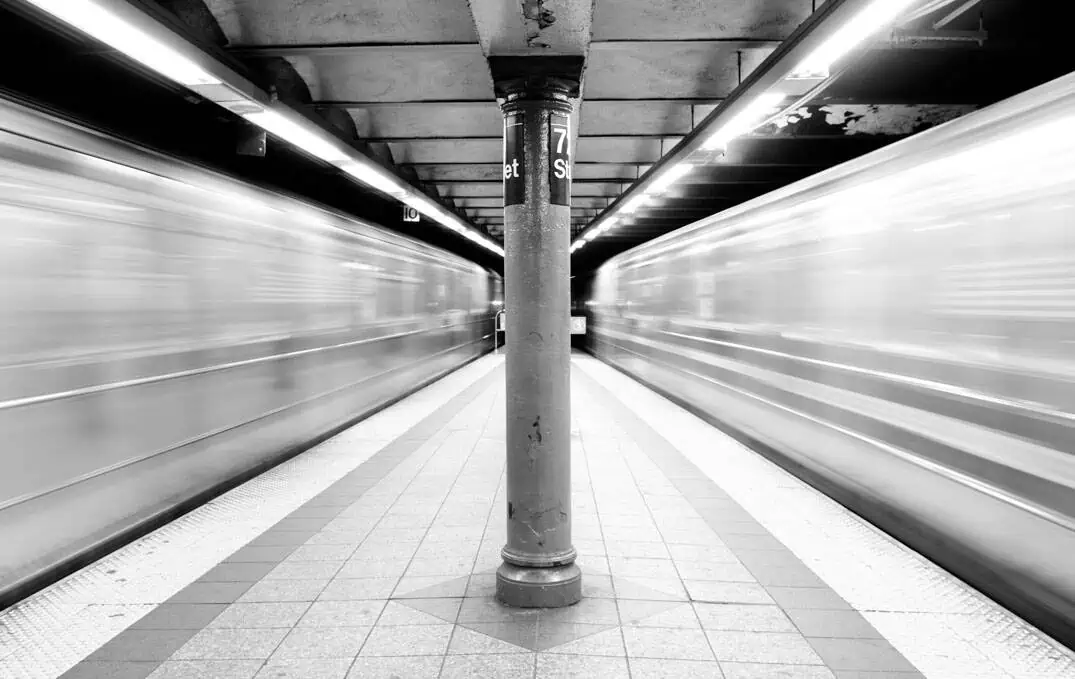
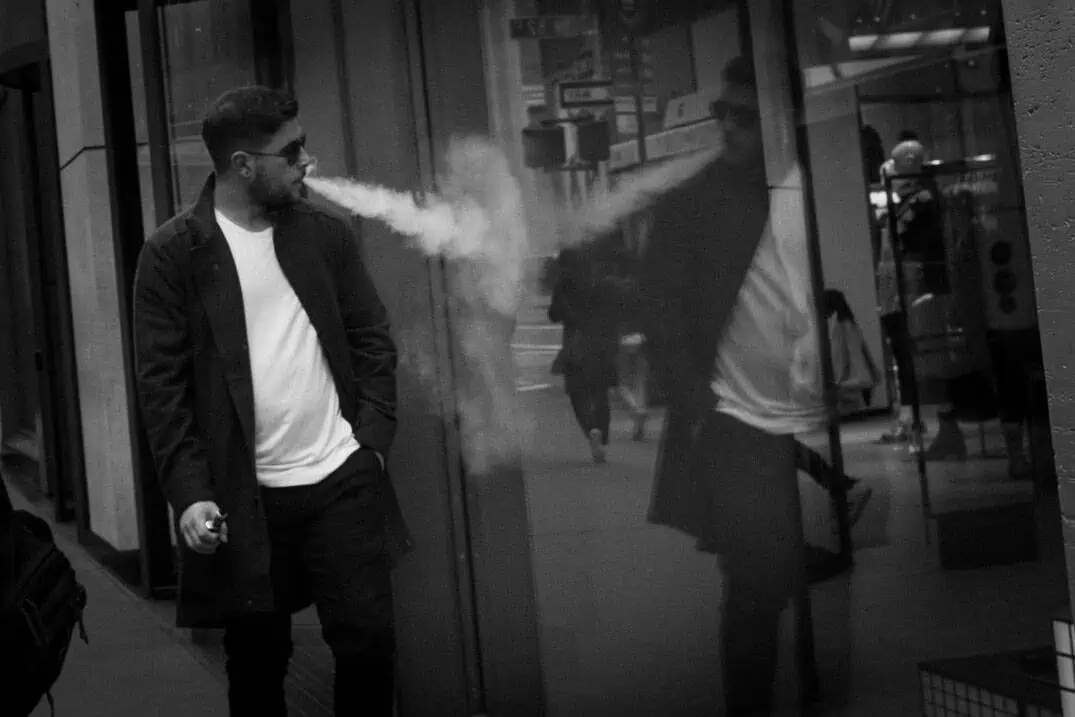
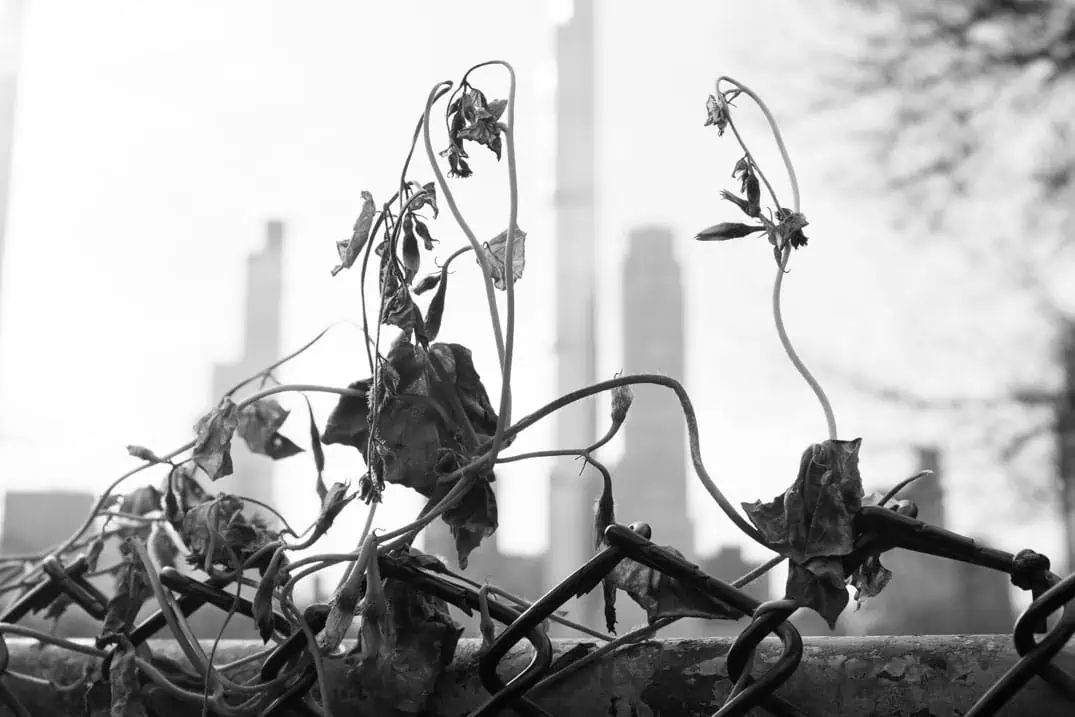
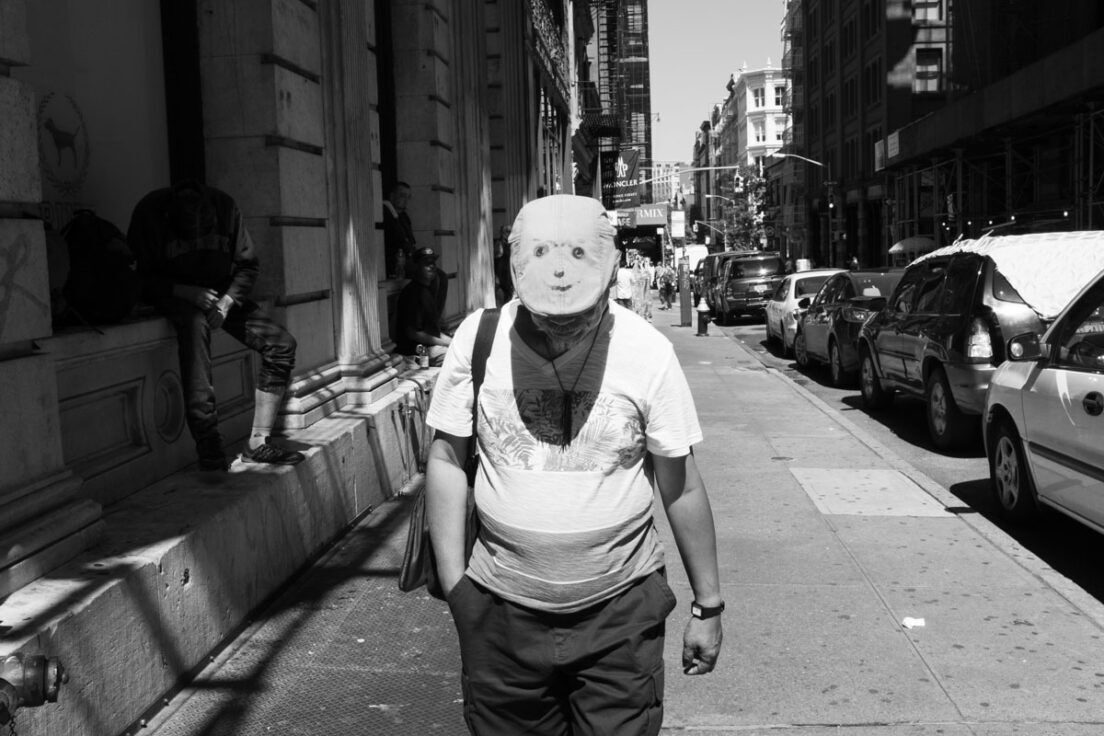
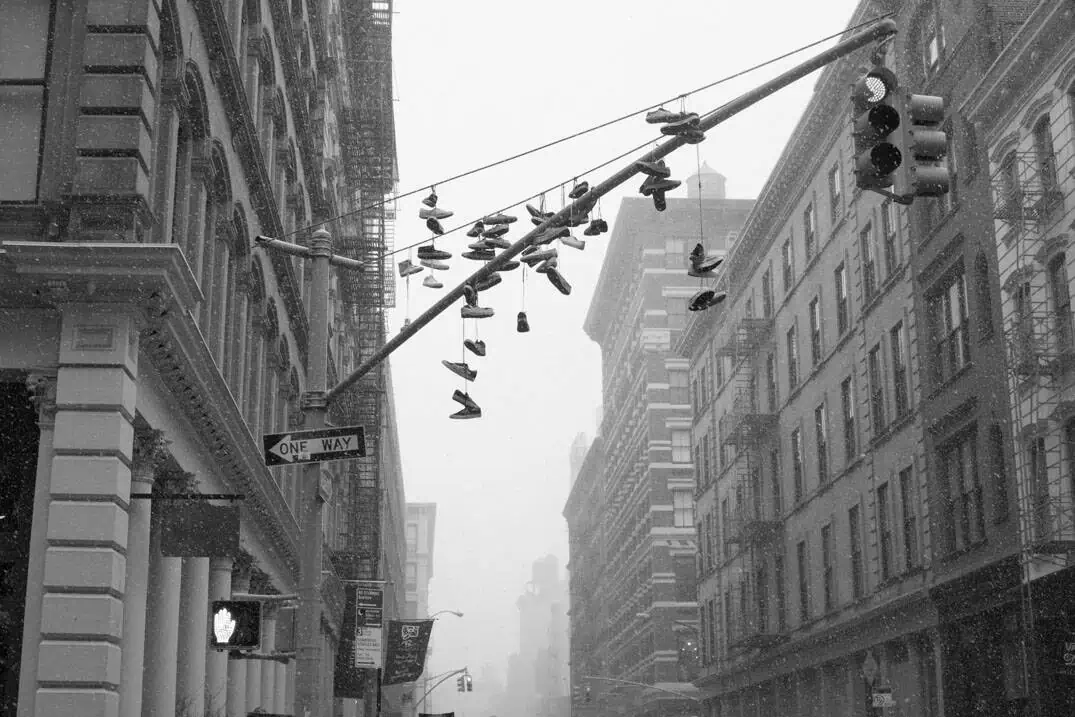
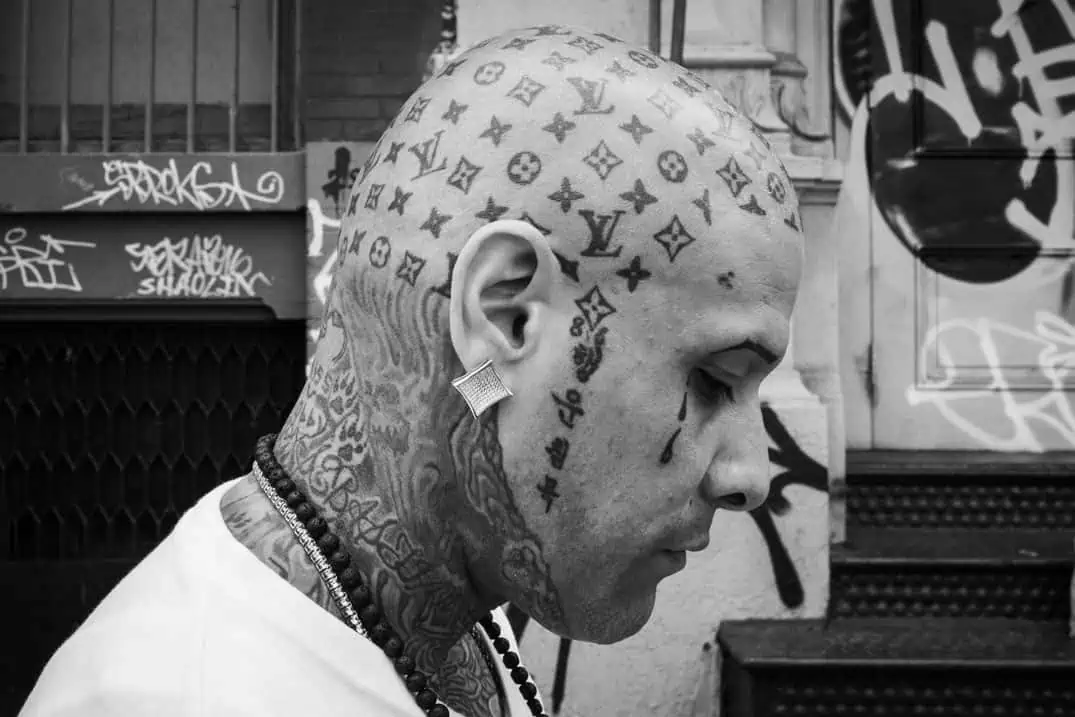
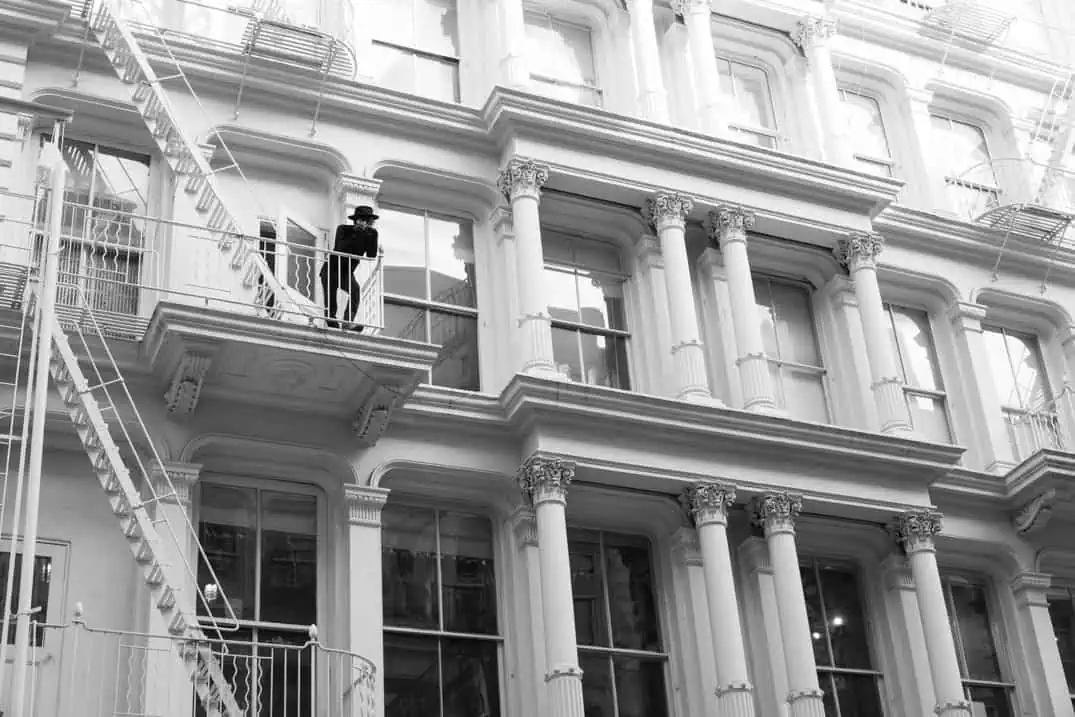
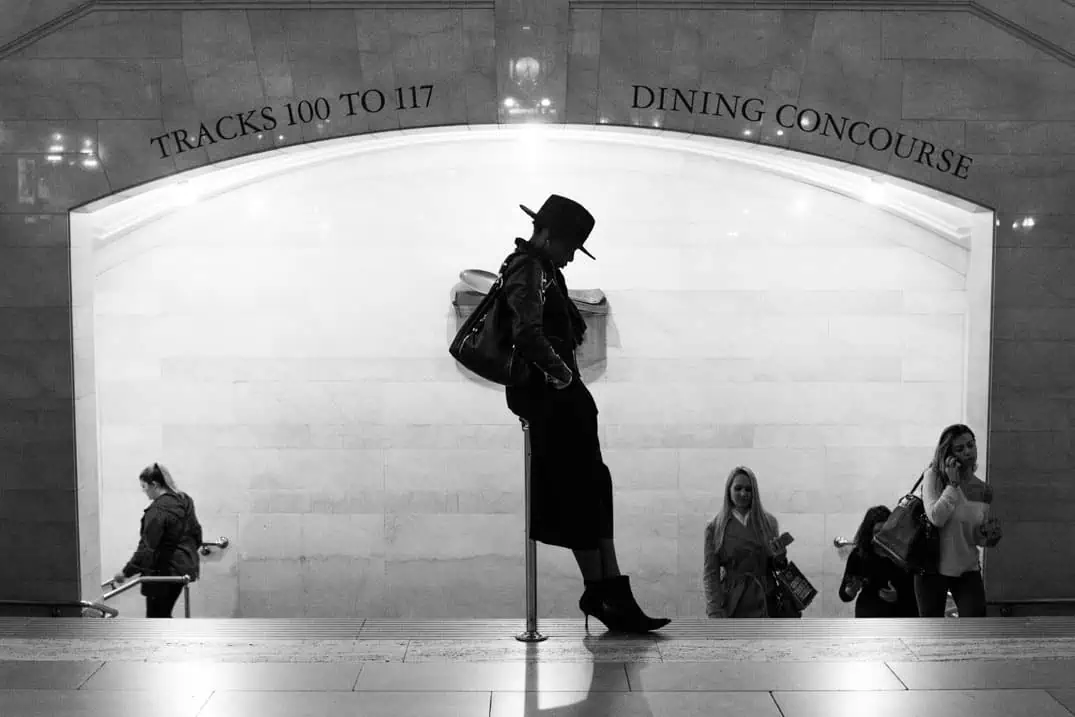
Photography has brought me up to a $20 million dollar penthouse apartment on Park Avenue and down to the abandoned FDR train under Grand Central Terminal. That’s a line from my book, The New York Photographer’s Travel Guide, and it’s the plainest way I know to describe what a camera has been for me in this city: a key.
Ten stories under Grand Central there’s a hidden room known as M42 — kept top-secret until the 1980s, it powers Grand Central’s train network and is not shown on any maps or blueprints. Nearby lies Track 61, which famously carried President FDR underground to the Waldorf Astoria hotel to keep his disability hidden from the public. And in that tunnel sits his train — rusted, abandoned, constructed to stabilize the side-to-side movements that plagued FDR during train travel due to his partial paralysis from polio. It could fit his armor-plated car, which would drive off it, onto a platform, and straight into an elevator.
That New York — the real one, the hidden one, the one off every map — is not in any stock library.
That’s what you’re licensing from my archive: the real, authored New York — editorial or commercial — not the generic stock version. Publications, brands, agencies, designers, and marketing teams license my images for everything from news stories and book covers to campaigns, hotel walls, and websites. If you already know what you need, request a quote here — I usually reply the same day.
I’m James Maher. I’ve spent twenty-five years photographing New York — as a documentary and street photographer, a certified GANYC guide, and a part-time historian of the city. The archive covers the skyline and cityscape, Central Park, architecture and landmarks, the neighborhoods, the seasons, the night, and above all the street-level, lived-in city that most photo libraries never touch. What’s on this website is a fraction of it. The full archive is deep and searchable, and you can start digging through it on my archive page — or just tell me what you’re looking for and I’ll do the digging for you.
Know the image — or the New York — you need? I usually reply the same day.
Request a Licensing QuoteWhat you can license
Twenty-five years of New York, which means the archive is wide in two directions — across the city, and through time:
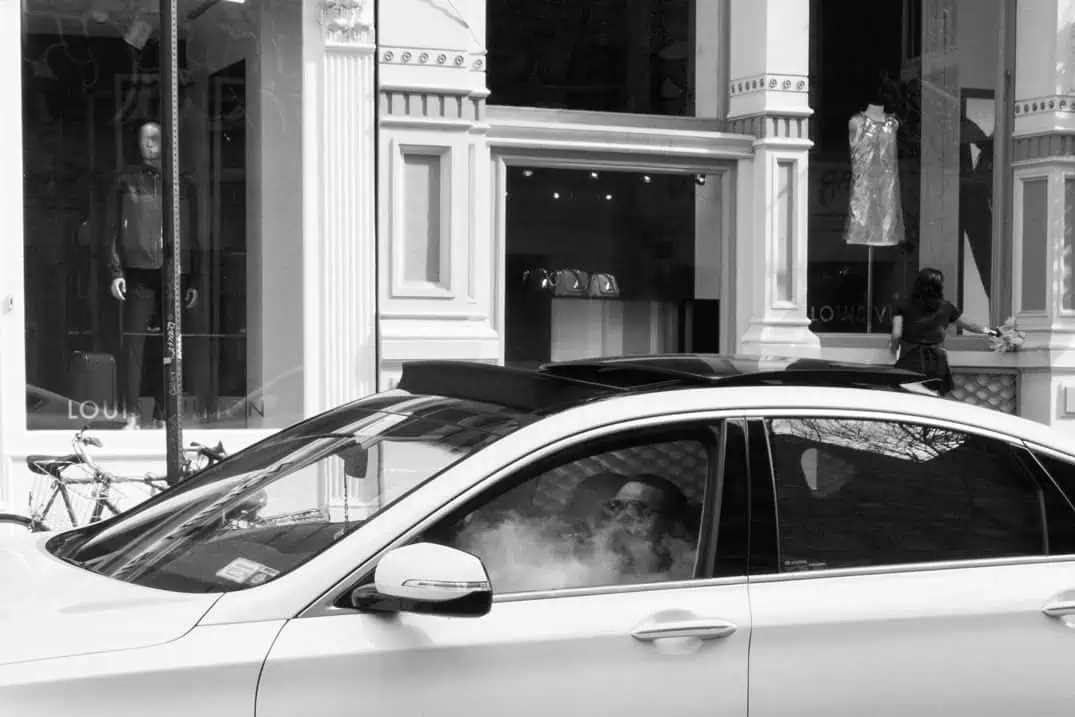
- Street and documentary New York — the people, the sidewalks, the small daily theater of the city. This is the core of what I do; browse the street photography gallery.
- Skyline and cityscape — the classic views and the less classic ones, in every light. Browse the skyline collection and the broader cityscape work.
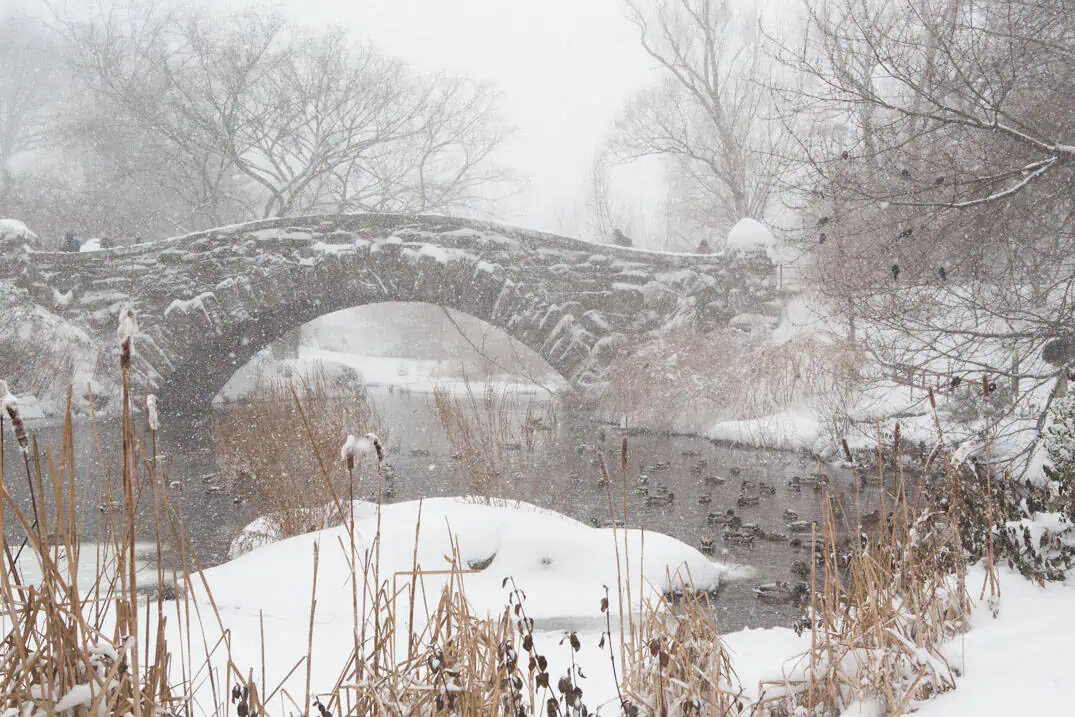
- Central Park — all four seasons, dawn to dark. I’ve probably photographed Sheep Meadow more than any sensible person should. See the Central Park gallery.
- Architecture and landmarks — the icons, plus the buildings that only become icons after they’re torn down. Browse architecture and icons.
- Brooklyn and the neighborhoods — the city beyond the Manhattan postcard. See the Brooklyn gallery.
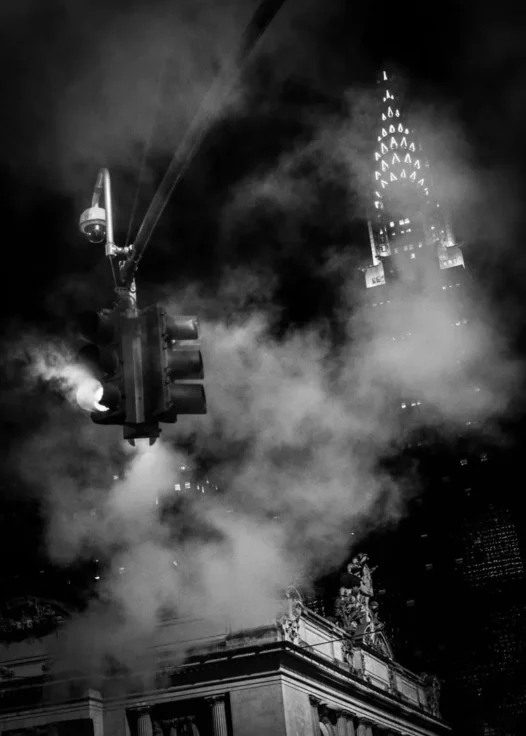
- Black and white, and night — New York after dark is its own subject, and I’ve given that subjects years of my life. Browse the black-and-white cityscapes and NYC at night.
- Historical and older frames — the archive goes back roughly twenty-five years, which means it holds versions of New York that no longer exist: storefronts, skylines, whole blocks. If you need the city as it was in 2004, I was there with a camera. Search the full archive.
And if what you actually want is a physical piece rather than a license — a print for a wall instead of an image for a page — that’s a different door into the same archive: my prints page is where to start.
Real New York, not generic stock
If you search a stock library for “New York,” you get the same city everyone gets: the interchangeable skyline, the yellow-cab blur, the same stuff over and over again. It’s fine. It’s also the visual equivalent of hold music, and your readers and customers have already seen it a thousand times.
My archive is the other thing: an authored record of the actual city, made by one photographer, on foot, over twenty-five years. I was standing there — in that light, on that corner, in that year — and because I’m also a licensed guide and a part-time historian, I usually know what the corner used to be, too. That knowledge shows up in the pictures. As I wrote in The New York Photographer’s Travel Guide: “You can take a better photograph of New York if you understand both its history and its current happenings.”
The city stock photos can’t see
“Cities are a contradiction. They are densely populated and people are always present, yet amongst all these people, one can feel very alone.”
— The Essentials of Street Photography
That contradiction — the crowd and the loneliness, the icon and the ordinary Tuesday underneath it — is what I’ve spent my career photographing, and it’s precisely what generic stock flattens out. Stock shows you that New York exists. These photographs try to say something about what it’s like to be in it. The night work especially: “New York has a dark, eerie, and romantic essence at night that cannot be replicated during the day… The city flat out sparkles.” I wrote that in The Essentials of Street Photography years ago, and I still stand behind every word, usually while standing on a bridge at 11pm.
So if you’ve been searching for real New York images instead of stock — an alternative to the same recycled library everyone else is pulling from — that’s the entire reason this page exists. You license from the person who took the picture, who knows exactly where and when it was taken, and who can find you five more like it.
A record of what the city tears down
Wallpaper, 2012, was captured in the East Village neighborhood of Manhattan. That area of the city, like many, has experienced rapid redevelopment — seeing the inherent value, developers are demolishing many of the smaller structures that contribute to the historic fabric of their neighborhoods. One of them came down on a block I know well, and where the building had been, the wall it shared with its neighbor stood suddenly exposed to the street: old wallpaper, open to the weather, the private interior of somebody’s decades made public for a few weeks before the new construction sealed it away for good.

Here’s how I put it when I wrote about the picture: “This image communicates more than just a building coming down. The wallpaper provides an element of human connection. There is a history here that is being destroyed. This image is beautiful and fascinating, yet there is such sadness within it.” (The Essentials of Street Photography.)
I bring it up on a licensing page for a practical reason. New York rewrites itself every decade and keeps no copies. The city doesn’t file a record of the wallpaper; the demolition permit doesn’t mention it; a year later even the people on the block half-forget what stood there. Often, a photograph like this is the only copy the city keeps — and after twenty-five years of walking with a camera, my archive is full of them: storefronts, corners, skylines, whole blocks that exist now only as files with my name on them. If your project needs the New York that’s gone — for a story, a book, a documentary, a wall — this is where you find it.
Why an old photograph of New York is worth more, not less
“Street photography is like a fine wine; it gets better and more valuable as it ages and as the content of the photo becomes dated.”
— The Essentials of Street Photography
I wrote that about the craft, but it’s equally true of the archive as a business proposition. A photograph of a 2005 storefront was just a photograph in 2005. Today it’s a document — the awning is gone, the block is unrecognizable, and no amount of budget can go back and reshoot it. Stock libraries sell you the view; the archive sells you the evidence.
Editorial vs. commercial
Beyond that split, a handful of variables shape any license, and it’s worth knowing them before you write to me — not because they’re complicated, but because they’re the honest answer to “what will this cost”:
- Medium — digital, print, broadcast, or some mix.
- Reach — print run, circulation, impressions, audience size.
- Duration — one year, five years, in perpetuity.
- Territory — one country, one region, worldwide.
- Exclusivity — whether you need to be the only one using the image, in your industry or entirely.
Most of my licenses are rights-managed, meaning the license is scoped to your actual use — which is genuinely to your advantage, because a small editorial use is priced like a small editorial use, not like a global ad campaign. Royalty-free pricing pretends every use is the same. It isn’t, and you shouldn’t pay as if it were.
How licensing works, and what it costs
There’s no public rate card, and that’s not coyness — it’s because usage drives price, and I’d rather quote your actual project than post a menu that overcharges half the people who read it. What I can promise is that the process is fast and painless:
- Tell me what you need. Either the specific image (a link or a description works) or, if you haven’t found it yet, what you’re looking for — subject, era, mood — and I’ll pull options from the archive.
- Tell me how you’ll use it. Editorial or commercial, where it will run, roughly how big the audience is, for how long, and whether exclusivity matters. Two or three sentences is plenty.
- I send a quote. Usually the same day. If it works, you get a straightforward license agreement and a high-resolution file. No portal, no subscription, no forty-page terms document.
Editorial one-time uses are the simplest and most affordable end of the range; large commercial campaigns with exclusivity are the other end. Everything in between gets priced honestly for what it is. Send me the details and you’ll have a number quickly.
Who I work with
Licensing requests come from a fairly consistent cast: publications and editors who need the real city for a story; brands and agencies who want New York in a campaign without the stock-photo déjà vu; art buyers, interior designers, and architects sourcing imagery for residential, office, and hospitality projects; hotels and restaurants building a sense of place; and marketing teams who need their website to look like it was made by people who’ve actually been here. If you’re any of those, you’re in the right place. If you’re none of those but you need a New York photograph for something legitimate, you’re also in the right place — I’ve licensed images for uses I never would have predicted, and it’s one of the pleasures of the job.
The camera really has been a key to every level of this city — the Park Avenue penthouse and the train tunnel under Grand Central, as I said at the top of this page, and everything in between. The archive reflects that range, and so does the client list.
And again: if what your project really wants is a framed physical piece rather than a licensed file, head to the prints page — that’s a different conversation, and also one I love having.
Frequently asked questions
Can I license New York City photos from you?
Yes — you can license New York City photographs directly from my 25-year archive for editorial or commercial use. Tell me the image (or describe what you need) and how you’ll use it via my contact page, and I’ll send a quote, usually the same day, followed by a simple license agreement and a high-resolution file.
What’s the difference between an editorial and a commercial photo license?
An editorial license covers use that informs — news, magazines, documentaries, books, education — while a commercial license covers use that promotes or sells, like advertising, marketing, branding, and company websites. The same photograph can carry either license; what changes is the price and the terms. If you’re unsure which yours is, just describe the use and I’ll tell you.
How much does it cost to license a photo?
It depends on the usage, which is why I quote each request individually rather than posting a rate card. The price is driven by whether the use is editorial or commercial, the medium, the reach (print run or impressions), the duration, the territory, and whether you need exclusivity. Small editorial uses sit at the affordable end; large exclusive campaigns at the other. Send the details and you’ll have a number quickly.
Do you have images that aren’t on your website?
Yes — the website shows only a fraction of the archive. The full collection is a deep, searchable record of twenty-five years of New York: street, skyline, parks, architecture, neighborhoods, seasons, and night. You can browse a much larger selection on my archive page, or simply describe what you need and I’ll search it for you.
Can I license older or historical New York images?
Yes — the archive goes back roughly twenty-five years, so it holds versions of New York that no longer exist: vanished storefronts, pre-supertall skylines, neighborhoods before and after their transformations. If your project needs the city as it looked in a specific era from the early 2000s onward, there’s a decent chance I photographed it. Tell me the year, the place, or the feeling, and I’ll pull options.
Do you offer exclusive licenses, or licensing for a full campaign?
Yes to both. I can license an image exclusively — within your industry or entirely — for a defined period, and I regularly quote multi-image and campaign-wide uses for brands and agencies. Exclusivity and campaign scale are simply variables in the quote: tell me what you need locked up, for how long, and where, and I’ll price it plainly.
Tell me the image you have your eye on — or the New York you’re picturing and haven’t found yet — plus a few lines about how you’ll use it. I’ll come back with options and a straightforward quote, usually the same day. Twenty-five years of the real city, one email away.
Request a Licensing QuoteLooking for something else? Browse the full archive, see the work as fine-art prints, or read my honest guide to the best New York City photographers — including the ones who aren’t me.
